Want an Editor to hate your work – be boring, stiff and too formal! This is just one of five “recommendations” posted today at Write Nonfiction Now, hosted by Nina Amir. The guest poster is Linda Formichelli with a humorous look at what not to do if you want to publish nonfiction journalistic writing. Surf on over to today’s posting at Nina Amir’s Write Nonfiction Now and discover the rest of Linda Formichelli’s 5 Surefire Ways to Make an Editor Hate Your Article.
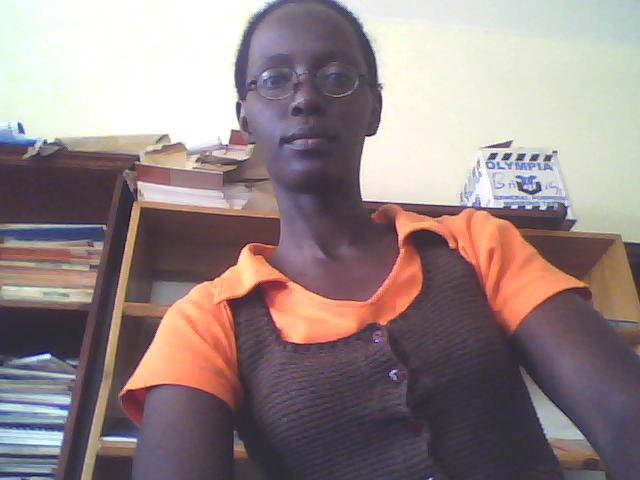
Three by Five welcomes Mildred Achoch, a Poet and Screenwriter in Kenya.
Mildred Achoch writes poems and screenplays and has two blogs – Kenya Rock Film Festival Journal and Lost in Cyberspace and Other Found Poems. In 2013, she was a participating poet with the Found Poetry Review’s Pulitzer Remix Project.
VAH: Welcome to Three by Five, Mildred! Why do you write?
MA: I write because I can. I found out early enough that I could skillfully combine words so as to communicate creatively. I also write because I cannot not write! They say it takes about 21 days to form a habit. Well, I have been writing for way more than 21 days! I’m hopelessly hooked!
VAH: Tell us about your first story?
MA: My first story was an interracial teen romance novel. I wrote it in longhand and I still largely write in longhand. I wrote this story when I was sixteen. I still remember the song that inspired it. “I love you always forever” by Donna Lewis, specifically the line that goes: “You’ve got the most unbelievable blue eyes I’ve ever seen.”
VAH: Do you have a favorite literary character?
MA: My favorite literary character is Bella Swan of the “Twilight” series. I think it’s because I can relate to her on so many levels. We are both introverts, love books so much that we’d rather go to a bookstore than shop for clothes and we both love vampires 🙂 Also, we come from broken homes.
VAH: A gift of books is how they provide both reflection and relief of our reality. If you were stuck on a deserted island, what books would you want with you?
MA: The Twilight books of course! Because I literally never get tired of reading them! They are so well written, the characters are well developed and the themes are very close to home: loneliness, sacrifice, love.
VAH: What has impacted you the most in your development as a writer?
MA: Working as a freelance writer on odesk.com, a portal for freelancers. Working with strict deadlines really helped me to improve my speed in writing and even in thinking. I discovered that, at least in my case, writer’s block is largely just an excuse for me not to write! I also have had the chance to work on diverse writing projects: novels, children’s stories, screenplays, world creation, articles, e-books short stories and so on.
Thanks for joining us Mildred. We’ll be back later in the month with more from this young writer.
Welcome back to Three by Five for the third and final installment of an interview with Jerad Alexander.
VAH: Jerad, when the blank page stares back at you, what gets you over writers block?
JWA: I rarely have a moment when I’m at a loss of words when writing. If I do get to that point, however, I’ll typically stop and go right to work on something else, and then take another look at what has jammed me up and see if I have unraveled any of it. Considering my need to be writing… if that piece doesn’t want to cooperate, then another piece will.
VAH: That’s a very effective redirection. Not giving in to the blank page but working on something else. How do you then track what you send out for consideration and keep up with the results of your submissions?
JWA: Along with sites that use Submittable, I track everything with Excel spreadsheets. It seems to work great!
VAH: Jerad, what little known fact about you will amaze and or amuse?
JWA: When Anthrax was delivered to the Capitol Hill mail facility and Longworth Hall just down from Congress, I was a sample gatherer and decontamination team member. While in Longworth Hall, which was a ghost town akin to The Andromeda Strain, a friend of mine smuggled out individually wrapped cigars from a senator aide’s office. We decontaminated them and my friends and I shared them in the shade of the capitol building.
JWE: Following a horrible fad at the time, I did the “Harlem Shake” with a full car of friends at a stoplight here in Atlanta at around 2:30 am. Drinks may or may not have been involved. The only regret I have is I did not have my horse mask at the time. Anything to expand on the already-stunned and horrified expressions on the older couple in the car next to us…
VAH: Jerad, thank you for your service and welcome home.
Do you have a favorite, inspiring quotation?
JWA: I’ll give you two that have struck me of late:
“As things stand now, I am going to be a writer. I’m not sure that I’m going to be a good one or even a self-supporting one, but until the dark thumb of fate presses me to the dust and says ‘you are nothing’, I will be a writer.” – Hunter Thompson
“All you have to do is write the one true sentence. Write the truest sentence you know.” – Ernest Hemingway
VAH: Both excellent touchstones for any writer. Now, drawing our conversation to a close, what are three random non-writing related facts about you?
JWE: I love German cars, specifically Audi and older-model BMW’s and Mercedes. I’d love to one day own a late 80’s 560SL.
While I like spring and summer, autumn is my favorite time of year. It feels like I come alive more in the fall than any time of the year.
I have a huge love and respect for the art and craft of standup comedy. It is a jealous craft, and if I could devote more time and energy to it, I’d love to give that a serious go. But… writing is jealous enough.
Jerad W. Alexander – thanks for the insights and words of encouragement and spending a little with with Three by Five.
Jerad W. Alexander is a writer and the associate editor of the upcoming literary journal The Blue Falcon Review, an annual collection of military fiction. His novella, The Life of Ling Ling, was a finalist in the 2012 Serena McDonald Kennedy Prize for Fiction. His essay “On Our Next Stop in Modern War” was a finalist is the Narrative Magazine Spring 2013 Contest. From 1998 to 2006 he served as a U.S. Marine infantryman and combat correspondent, deploying to the Mediterranean, the Horn of Africa, and Iraq. Since leaving the U.S. Marines he has earned a BA in English Literature from American Military University and is pursuing a Masters of Professional Studies in Strategic Public Relations at The George Washington University. He currently lives in Atlanta, Ga. His novella, The Life of Ling Ling, A Novella about Iraq, is available on Amazon.com. He can be found on Twitter and Facebook.
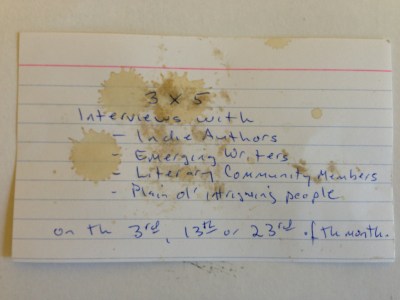
Three by Five – Five questions answered by authors, artists and interesting people published on days that end in three.
This year the Victoria A. Hudson Emerging Writer Prize goes electronic with online submissions via submittable. The submission manager for entry is here.
The Victoria A. Hudson Emerging Writer Scholarship will award a registration scholarship to one emerging writer of any genre to attend the San Francisco Writers Conference, February 13-16, 2014. http://www.sfwriters.org/ Scholarship covers registration fee only, does not include transportation, lodging, food (except what is included with registration) or speed dating with agents.
Emerging writer is defined as: Does not have an agent or book contract, writing is not your primary occupation or generating income greater than $500/month. If self published, less than 500 copies sold. You know if you are emerging. This is for the many still struggling and dreaming.
If selected for another SFWC scholarship, you may not also receive this scholarship.
Submission period is 8 September – 1 December, 2012.
To Enter:
Submit three pages of writing, any genre plus an essay on the topic “I write because…” not to exceed 600 words. Poets should submit 3 poems.
No identifying information should be on any page. The writing sample must identify if Fiction, Nonfiction, or Poetry on the first page and by title and genre in the cover letter.
Please includes your contact information and a short bio with your cover letter.
Judging methodology:
Each entry is first evaluated by the quality of the essay. This is the preliminary stage of evaluation and each essay is evaluated on its own merits. Those essays selected during this stage are read again in round two, where they are evaluated individually and collectively with all entries that have proceeded to this round. Only the best of the round two essays are selected to move to stage three. In stage three, the entered writing sample is also read and evaluated. The finalist list is selected during stage three. Historically, about 50% at each stage move forward. The previous year’s winning essay may be found at https://vickihudson.com/sfwc/.
Enter the 2014 Victoria A. Hudson Emerging Writer Prize here.
VAH: Jerad, What got you to the point where you knew you were a writer?
JWA: I’m not sure I ever had an “awaking” of sorts. I’ve always written in one capacity or another. Up until the past decade I’ve always treated it like an appendage.
VAH: Best advice for emerging writers?
JWA: Write. Every. Day.
Ready. Good. Works.
There is no other way.
VAH: What are your thoughts on the Master of Fine Arts in writing?
JWA: I do not have an MFA. While I can’t speak to the networking/work shopping side of an MFA program, and at the risk of criticizing something I don’t fully understand, I’m wondering if perhaps one could simply read and write on their own and get a good grip on the craft without laying out the cash for something that will more likely not guarantee a return, given the marketplace. That isn’t a slam on MFA programs specifically, but I suspect a lot of the work can be done off campus.
VAH: Jerad, I have a MFA and I’d agree with you. There’s something to be said about a couple dedicated years with a small cohort and I think you are right about doing some dedicated reading, writing and I’ll add, having a good writing group or community. Do you have a favorite conference or writing retreat or seminar.
JWA: Admittedly, I have not attended any writing conferences, retreats, or seminars. This is something I need to rectify.
VAH: Writers tend to also be readers – What books or authors keep you up at night because you don’t want to put them down?
JWA: Without a doubt, Cormac McCarthy.
VAH: That’s some good reading. Jerad, thanks for joining us here at Three by Five. The final installment of an interview with Jerad Alexander will publish here on the 30th.
Jerad W. Alexander is a writer and the associate editor of the upcoming literary journal The Blue Falcon Review, an annual collection of military fiction. His novella, The Life of Ling Ling, was a finalist in the 2012 Serena McDonald Kennedy Prize for Fiction. His essay “On Our Next Stop in Modern War” was a finalist is the Narrative Magazine Spring 2013 Contest. From 1998 to 2006 he served as a U.S. Marine infantryman and combat correspondent, deploying to the Mediterranean, the Horn of Africa, and Iraq. Since leaving the U.S. Marines he has earned a BA in English Literature from American Military University and is pursuing a Masters of Professional Studies in Strategic Public Relations at The George Washington University. He currently lives in Atlanta, Ga. His novella, The Life of Ling Ling, A Novella about Iraq, is available on Amazon.com. He can be found on Twitter and Facebook.
Three by Five – Five questions answered by authors, artists and interesting people published on days that end in three.
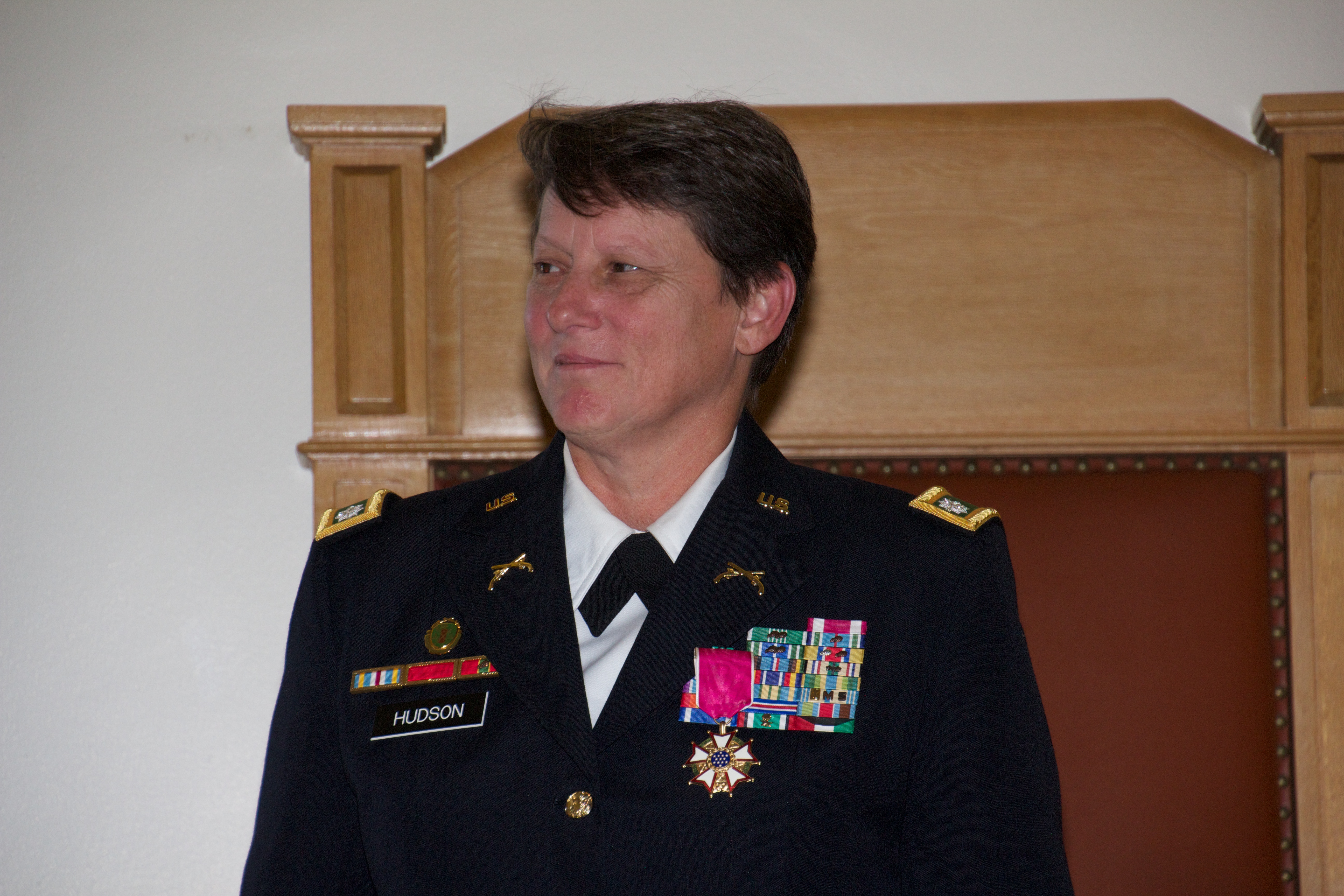
Friday was the ceremony marking my retirement after thirty-three years of service in the United States Army. More than three decades and during much of that time, my writing, (ok, it is a writing related posting) was inhibited. We are always told to “write what you know.” If I’d written what I knew, fiction or nonfiction, I risked losing everything in the military for I served under the entire lifespan of the Don’t Ask, Don’t Tell policy.
In retrospect – I wish I had written more and published what I’d written. What is written reflects the culture, good and bad. When social change is needed, it often is explored through literature, theater and song.
So get out there and write. Write what you know, and what you want to know in the future.
VAH: Jerad, welcome to Three by Five, where emerging writers, authors and other interesting people share a little about their writing, work and lives. First up, please tell us why you write?
JWA: I write because I have no choice. I don’t mean that in any forced-upon way, I just really feel like I must write. If I don’t, after a day or two I begin to feel unproductive and maybe even a little depressed or otherwise despondent. It’s almost weird… after a heavy writing jaunt I tend to feel a little tired, but really great, much like after a good workout. Aside from that, I write because I like a really good sentence and want to come up with the best I can. There is a positive challenge aspect to writing that gets overlooked a lot, I feel. It’s a personal challenge for me to come up with the best, most honest sentence possible. I think there is something about the creative written word that when done well can really put a hook in you and alter your worldview better than any television show or film or piece of artwork.
VAH: The power of the written word! Sounds like its intrinsic, a force within. What was that first expression of your drive to write? Your first story…?
JWA: My first story was about Joshua Lawrence Chamberlain that I wrote in high school for a history class. Chamberlain was a Maine rhetoric and world religions professor who went off to serve for the Union in the Civil War. All I basically did was write a fictionalized account of his actions at Gettysburg. I’d always play around with paragraphs or short stories that I never finished, but I managed to pull that off on somehow. Though I received an A for the work, I couldn’t tell you if it was good or not… likely not.
VAH: What about literary characters? Do you have a favorite?
JWE: Some of my favorite literary characters include Nick Adams from Hemingway, Raoul Duke (which is more alter-ego than fictional) from Hunter Thompson, Henry Chinaski from the Bukowski novels, Robert E. Lee Prewitt and Milton Warden from From Here To Eternity, Sam Spade from The Maltese Falcon. I’m sure I’m missing a couple hundred here…
VAH: Robert E. Lee Prewitt is a great example of a complex character. He’s one of my favorites and From Here to Eternity is one of my favorite novels (and movies). But if you were stranded on a deserted island, or snowed in at a deserted cabin with no power, what would you want to have with you?
JWE: Easy. I’d take the entire Twilight series and the entire Fifty Shades series. I figure there are at least three, if not four thousand pages of text between those two series. I can use a page or two a day as kindling to start a fire. Between the fire and the hot, nose-thumbing disregard and hatred I have for that brand of cheap, dubious literature I should be kept warm for days on end.
VAH: Well, there you go! A practical choice. Let’s be a little serious now, what was would you say has had the biggest influence on your development as a writer?
JWE: There are a couple of authors who’ve made an impact on my work. James Jones, Norman Mailer, and of course Hemingway are all big players, but I like 60’s and 70’s-era New Journalists as well. Journalists and memoirists like Hunter S. Thompson, Tom Wolfe, Gay Talese, Joan Didion and others really put their hook in me when I was younger. I’m also a big fan of James Ellroy.
VAH: Thanks Jerad! Our readers are invited to return on the 23rd for more and a bonus day post on the 30th.
Jerad W. Alexander is a writer and the associate editor of the upcoming literary journal The Blue Falcon Review, an annual collection of military fiction. His novella, The Life of Ling Ling, was a finalist in the 2012 Serena McDonald Kennedy Prize for Fiction. His essay “On Our Next Stop in Modern War” was a finalist is the Narrative Magazine Spring 2013 Contest. From 1998 to 2006 he served as a U.S. Marine infantryman and combat correspondent, deploying to the Mediterranean, the Horn of Africa, and Iraq. Since leaving the U.S. Marines he has earned a BA in English Literature from American Military University and is pursuing a Masters of Professional Studies in Strategic Public Relations at The George Washington University. He currently lives in Atlanta, Ga. His novella, The Life of Ling Ling, A Novella about Iraq, is available on Amazon.com. He can be found on Twitter and Facebook.
Three by Five – Five questions answered by authors, artists and interesting people published on days that end in three.
Recently I responded to a follow-up from Paul Dorset who interviewed me back in May for his Indie Author Interview series. Paul asked if the writing life had been good to me this year. This got me thinking about the zigzag of writing. According to Duotrope, I have a 22.2% acceptance rate, which the site tells me is better than average for users submitting to the same type of markets. I’ve submitted to about twenty markets and about a quarter of what I sent out published. Metrics are useful, and metrics need definition. If the metric is solely published or rejected – straight and narrow rubric of assessment – 22.2% doesn’t seem all that good when 100% is far at the other end. However, if the metric definition is writing produced, revised, drafted as well as submitted, published, and rejected plus craft study in a writing group, online course, or attending a conference, writing related marketing – Hills and Valleys of writing related activities – that one out of five pieces published seems a pretty good accomplishment in context of 20% of my time with the family, 20% of my time volunteering with community organizations, 20% of the time with self-development and craft related work, 20% of my time at the grindstone of production with 10% for submitting and marketing and 10% for whatever distraction that is all about me that I want. (World of Warcraft, catching up with TIVO, mindless surfing on the net, rugby) Looking at my writing life this way makes September, where I was home from traveling maybe 5 days the entire month and thus accomplished no actual production done – balanced with May through August where I attended not one, but two writing conferences, wrote and revised a dozen or so new poems, and sent out a slew of work – means September was a in the valley of writing month while the summer I was scaling the hills. Those acceptances that came periodically? Those are the standing at the crest of the hill and marveling at the scenery surrounding, the victory after the toil.
So, keep your writing life in perspective. Define the metric that you are measuring your life and work with and keep it all in context.
A week ago I was driving home from St. Helena and the community of writers that is the Napa Valley Writers Conference. I was sorry to leave and eager to return home to my family. The drive went quickly with another poet I was dropping at the Oakland Airport. We talked poetry, about our different workshops and then swapped war stories. When we said goodbye at the airport curb he told me he was glad another veteran had been there because he hadn’t been sure how he’d be received. I understood, I hadn’t been sure how I’d be received either, lesbian, feminist, conservatively liberal, retired military war veteran that I am.
Attending this conference was raising the stakes for my identity as a writer and poet. While I have the validation of a Master of Fine Arts degree (in nonfiction), I have not done much work in poetry for oh, several decades. Since February I’ve been on a quest to grow as a poet. Two incidents inspired this choice. Participating with the poetry track of workshops at the San Francisco Writers Conference where I learned from Andy Jones and Brad Henderson of the University of California, Davis, University Writing Program, and Joan Gelfand from the SF Bay Area; poets who are always at the conference and who produced an amazing collection of poetry workshops and events. This year, there was someone new to the conference, Camille T. Dungy. I had an amazing conversation with Camille after one session which led to enjoying lunch together and more conversation. I was inspired to dive deeper into the craft. (In specific, I challenged her on the seemingly ‘inaccessibility’ of contemporary poetry for anyone outside of academia.) Soon after, I was at AWP and catching up with Eloise Healy, I mentioned I was thinking of another MFA, in poetry. Eloise recommended before investing in (going into debt with) another MFA, try some poetry workshops at conferences. I took her advice, which led me to Napa. Where surprise, the scheduled workshop leader for the group I was assigned was unable to attend. Camille T. Dungy was the replacement. Now that’s karma.
Camille gave her students nuggets of craft that I hungrily took and laid in as part of my foundation when crafting or revising work. One of the first was this quote from Elizabeth Bishop, “A metaphor needs to touch in at least three places and two must be in the real world.” This had immediate and profound impact as I created new work and revised previous work. Suddenly, I discovered where detail was vital and in doing so, my words became expansive and immersive where before they had merely been reporting. In the very first craft talk which happened to be delivered by Camille, I gained one of the most important and influential nuggets of the week – Create a pattern, reward the pattern, disrupt the pattern, return to the pattern or as Camille voiced this – Expectation – Reward, Expectation – Reward, Expectation – Expectation – Surprise! Expectation – Reward. This has become the keystone that most affected my development last week and now as I continue to write poetry. This formula can be applied to form, meter, sound, imagery – so many layers.
A true gift of the week was hearing poets and fiction writers read from their work. The poets read first every evening, the fiction writers second. This schedule supportive for the poets, some who
skipped the second reading to scamper back to their rooms and complete the new poem creation that was done daily. (Those slacker fiction writers who concentrated on revision while we poets created a new poem each day;) The poetry readings were vast with depth and emotion and the magic of words come alive. The two that have had the most lasting affect were Linda Gregerson and Camille Dungy. Both delivered their poems with authentic presence, drama, and life. Camille’s poem of the watch over her grandmother as she died and the passing of her namesake over the bed brings tears to my eyes even now as I remember the imagery brought to bear with Camille’s voice in my memory. Linda’s recounting of a young girl’s self harm was dazzling in its courage bringing to bay what is so often hidden by those that cut and denied by those that know of the cutting. The readings were more than just listening to masters display their craft – each reading was itself a master class in bringing words on the page to life in that moment the writer engages audience in physical time and place. We
write in isolation, yet we read and share the product of our inspiration in community.
One of the unexpected chunks of learning I’ve returned home with include alternate workshop methods. Unexpected. I didn’t anticipate learning about how to conduct workshop. I thought I’d adapt to whatever workshop method was used likely based in that prevalent method where the writer is a silent fly on the way (admittedly, a method I despise as disrespectful and often abusive). In Camille’s group, we experienced three distinct workshop techniques, each one respectful of the writing and the writer, each one providing feedback for reinforcement as well as revision. A strong thread throughout the week was internalizing what our peers provided to enhance our own self revision process. Taking the surface value – what a peer says to help improve a piece of writing, then internalizing for a second level of effect to self apply that bit of analysis (not the result but the means) which deepens self capability to look at and determine why and where some aspect of the work needs revision or change. I didn’t expect this drilling into and workshop leader deconstruction of what different aspects of the process of “workshop” provides so that I could internalize the practice. This was certainly not part and parcel of my two years of MFA workshop. Here, I was learning how to write better poems. I was learning how to critique with additional tools. And, I was learning how to not only be a peer in a workshop but tools for when I too, eventually become a workshop leader.
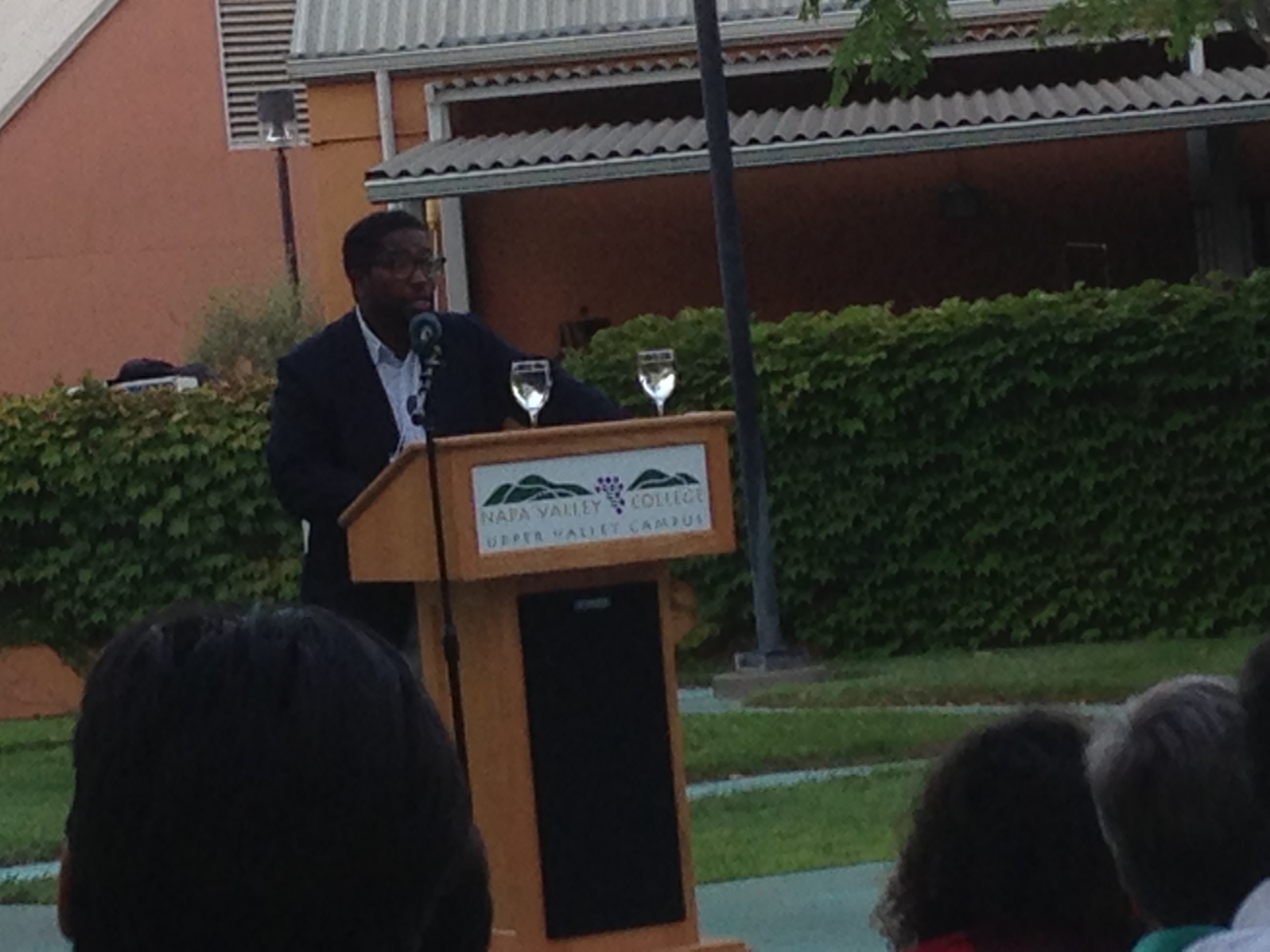
The setting at the St. Helena campus of Napa Valley College was peaceful and enveloping. The surrounding countryside breathtaking. Tuition includes breakfast and lunch created by the resident culinary academy and each meal a treat. Breakfast was amazing with fresh from the nest hard boiled eggs and oatmeal I wish I could cook like that at home. Lunch was a global culinary voyage and while not always what my palate was accustomed to, always worth the journey. I was grateful for the community housing scholarship, placing me in the home of one of the program supporters in the community. Returning each night to my room overlooking the pass between two hills with the vineyard vines blanketing the slopes was rejuvenating. The conference staff running the behind the scenes created a seamless experience. (Shout out to Nan, Iris, and Patrick, and the others whose names I missed.)
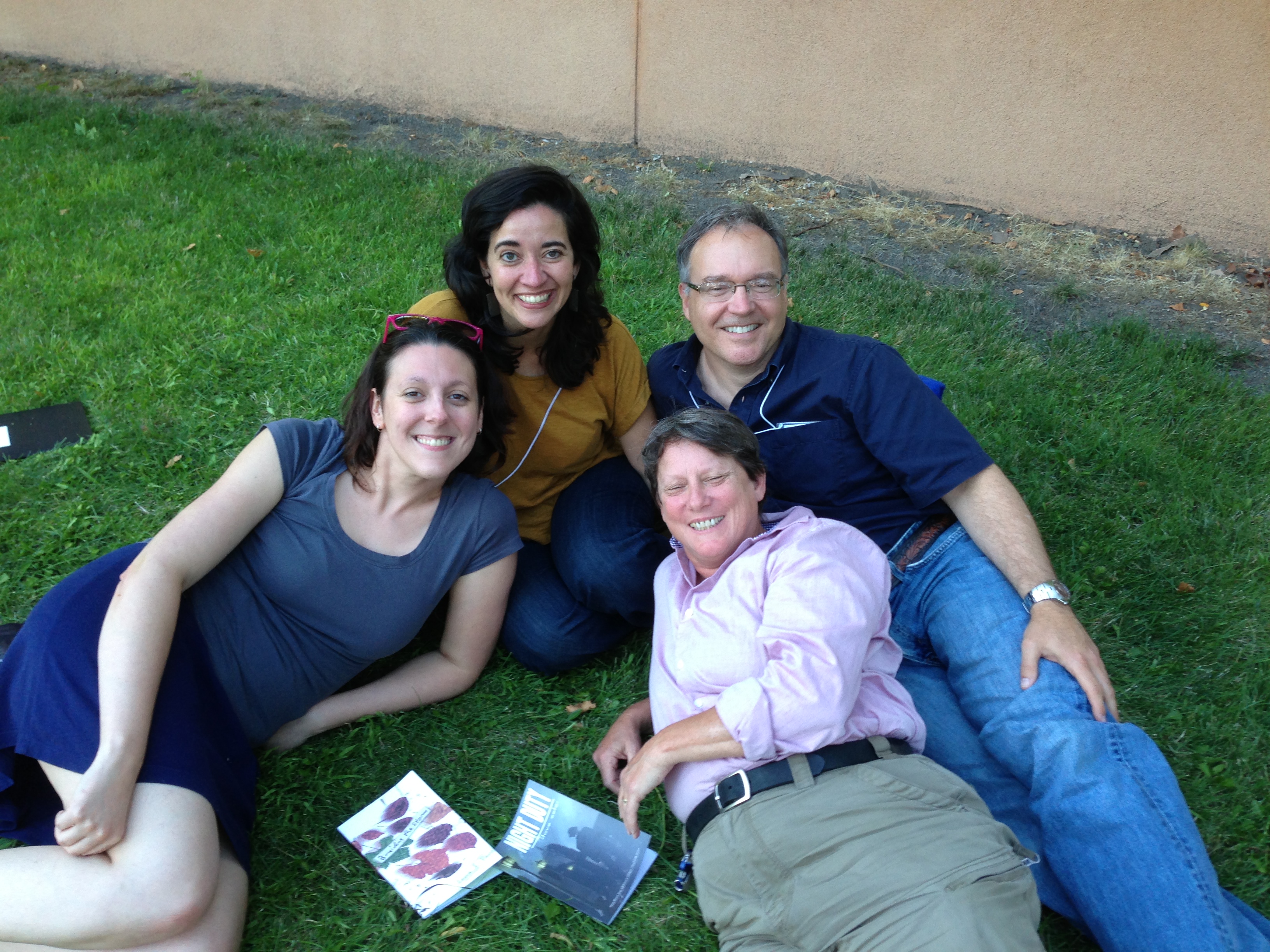
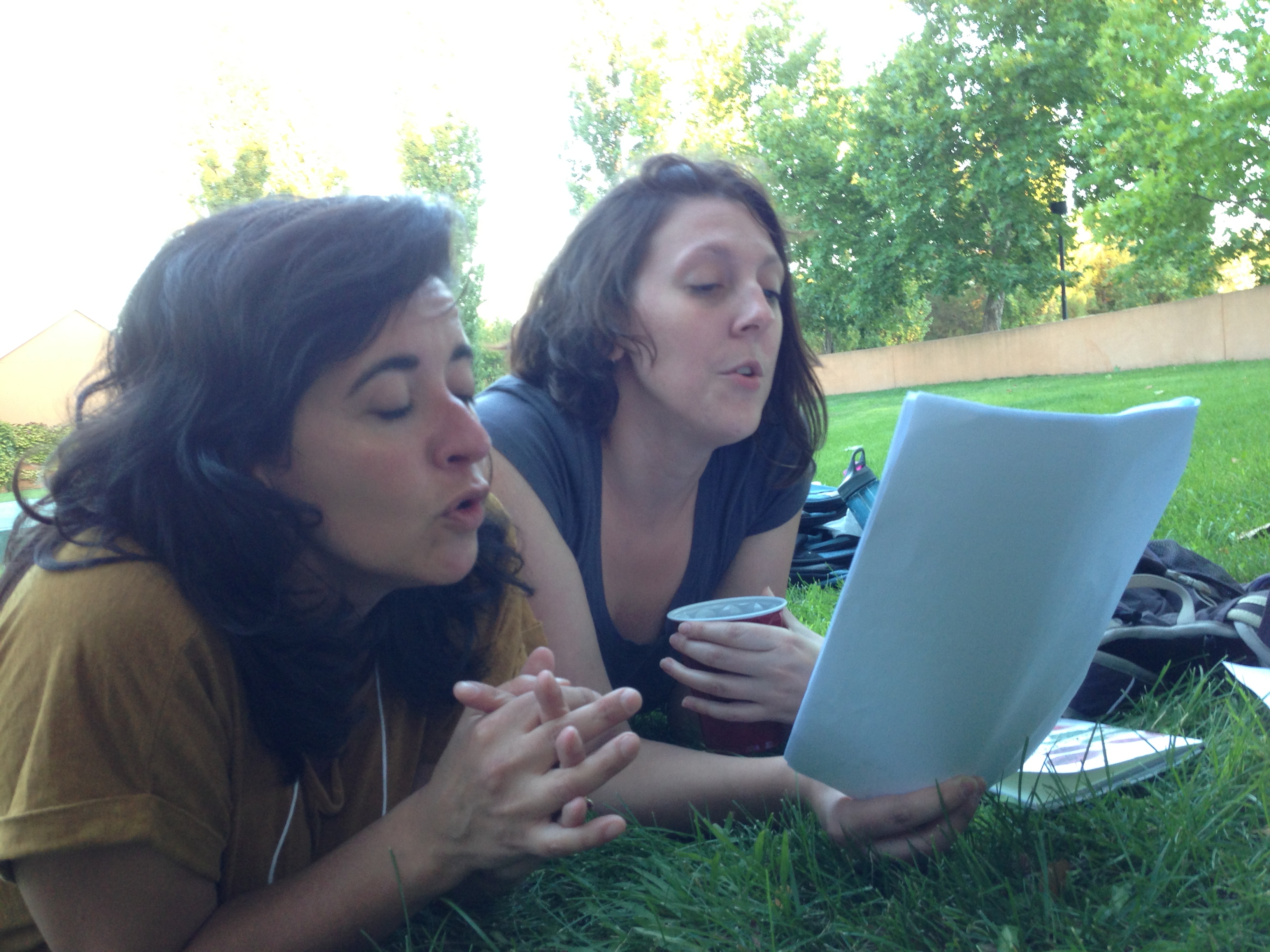
Each day was chock full of opportunity – workshop, poetry and fiction craft talk, a panel discussion (first book, self publishing were two) break for dinner than the nightly reading. Starting at 9 in the morning and ending at almost 9 at night, somewhere in between the poets would produce a new poem for the next morning’s workshop. Midway through the week, I was invited to join a small group of poets gathering to write offsite – this was a huge departure from normality for me. First, it meant giving up my bit of access to the onsite computer lab where I could work and print, which I couldn’t do back at my room (the one disadvantage to community housing – no printing). Second, it would require I be social, more social than workshop participation called for, which as an introvert can be challenging. (Yes, I am so an introvert.) Third, well, I don’t really like working in small groups like that, I’m basically a hermit. I went anyway. And that was my second best decision about the conference I made (the initial being decision to attend in the first place). That little gathering of poets from three different workshops resulted in newly crafted friendships I would not have otherwise formed. On the last evening we stayed long after everyone else left the grounds and had our own little round robin reading (and yes, we all still had work to produce for the final day). We had found our cohort, as one poet exclaimed. And we left the conference with plans to meet up again, serendipity having brought together four poets who all lived close enough to each other to form a new writing group, we now call The Poet’s Cohort.
A highlight of the week was the participant reading on Thursday afternoon. Each reader had two minutes and the timers were brutal calling time. It was a reflection of mutual respect and community cohesion that when the time was called, any reader that was still reading cooperatively stopped. No time enforcement procedures required. There were about 47 poets who read and half that many fiction writers. I truly enjoyed hearing all the different excepts of fiction, a few had me on the edge of my seat – no mean task with only 2 minutes, or about a page worth to read. There was some amazing poetry, some read from published books other from work created in the week. Very few instructors attended, and that was a letdown. Most of the participants were there it seemed, and that was fun.
My week in Napa was a grand investment and indulgence. Indulgence as it meant my full time, works outside the house, wife had to concurrently wrangle our two small children (ages 1 and 4) and we had the financial burden of a week of childcare for the littlest while she was at work. Investment truly as my understanding and application of the craft of poetry is already returning dividends. Since returning home, I’ve submitted to four different markets with six poems and a chapbook out for consideration. I decided to apply for a poetry fellowship next year and the idea of another MFA, this one in poetry, is at the moment off the radar. Eloise was on to something, recommending conference workshops and the opportunity they bring. I’m reading the craft books recommended and written by the workshop leaders, already applying new tools as I craft, create and revise, revise, revise.
I worked hard that conference week. I created four new poems and received useful feedback for revision on a fifth. I was among peers and role models and felt part of the greater community we together formed. In this week since the conference, I felt adrift those first few days, bereft even from the now lost companionship and daily immersion in a small island of words and wordsmiths. I am inspired though, to continue the hard work and looking forward to a return to that bucolic valley and community of writers. Two quotes I’ll close with – you decide where they will take you.
“Interesting writing engages the world around us.” Camille T. Dungy.
Today’s post is about two very useful sites I visit often. Both have useful and interesting topics posted daily that provide insight and information for any emerging writer or indie author.
First is Joel Friedlander and The Book Designer blog where over 700 articles are available that guide and educate authors through the publishing process. Discussions covering diverse aspect of publishing a book are covered from fonts and using aspects of specific word processing programs to self publishing do it yourself issues. Blogging and book design, E-books and E-readers, Marketing and Reviews, Social Media and Webinars, Blog carnivals and guest posts – Joel Friedlander has created a clearinghouse of information for authors. The tag line for The Book Designer is “Practical advice to help build better books,” and that is exactly what the site visitor finds. Looking for more detailed, specific ways to improve your own author toolbox? Check out Tools and Resources, want to invest in some training, click on Training Courses for classes that Joel offers and Books and Guides for links to order his books. Joel Friedlander is a recognized authority in self publishing and book design. Just reading the free resources on this blog provides an informative apprenticeship in self publishing with exposure to many other perspectives via the blog carnival and guest posts that are also part of the site. This is a stop on the information super highway that belongs on every blog roll. Visit often. Follow Joel Friedlander on Twitter @Carnival_Indies and @JFBookman
Next up is Molly Greene who blogs her journey as an indie author with frequent guest posts that will help someone looking at the independent author route make more informed decisions and maybe prevent a few regretful ones made from lack of information. Molly blogs her personal experience, with occasional bits from her real life, resulting in an informal, chat around the kitchen table atmosphere. She talks about the challenges and opportunities for indie authors and brings in occasional experts with interesting perspectives. I’ve returned to Molly’s site numerous times for a refresher on Createspace verses Lightning Source for self-publishing – a vital bit of self-education for the indie author. Looking for helpful, effective tools for promotion and use of social media, Molly Greene has some insights to share. When scrolling down my twitter feed, Molly is one of the authors I most often retweet, her information is always timely to what I as an emerging indie author is interested in reading and need for improving my promotion and self marketing. Another stop on the information super highway worth visiting. Follow Molly Greene on Twitter @MollyGreene.
There are many resources on the web in the community of writers and independent authors. Actually, there are numerous circles (or tribes) of writers and there are many more helpful sites out there. These are two I visit on a recurring basis which makes them definitely worth sharing.
Newsletter Signup. Let's trade!
Signup for news, info, and updates. In return, I’ll give you the secret link to Tips from No Red Pen: Writers, Writing Groups & Critique.
Download No Red Pen: Writers, Writing Groups & Critique or the short Ebook Chow (now .99 cents) in the iBookstore, Barns & Noble, Kobo, Diesel, Smashwords and many other Ebook venues. Portions of Chow’s price goes towards development of a Veteran’s MFA Writing Scholarship. Both listed under author name Victoria A Hudson.
Author First Look
First look provides a read of an emerging writer or indie author’s work in progress via a link to their posted first chapter. These are works in progress – so don’t expect perfection. Check the Author’s Bio for how to connect with the writer and if the writer wants feedback or comment. Enjoy the story, essay or poem. Perhaps it will whet your desire for a future book purchase so you can find out what happens next!
Do please comment here on this site, on my facebook page or on Twitter, especially if you enjoy this series once it gets going. Please use hashtag #AuthorFirstLook. Thanks for reading.
Authors retain all rights.
How to get your own first chapter posted:
Your chapter or series of 3-5 poems should be posted on your website. Send an email with the permalink and I will link back to your site. Include your short Bio (no more than about 100 words) and any comment about the work or a series synopsis for posting on First Look Pages. If the book is part of a series, give a spoiler warning if warranted.The link to your site will be embedded in your Bio. If you want reader input, be sure to write that in your comments. Once your book is published, make sure to send me the news and I’ll update your Bio.
Located via the link in the menu at the top of the page. Enjoy your First Look.
Three by Five
Free Literary Magazines aka Recycle Reading
I read a ton of literary magazines. Tossing them in the recycle bin seems so….wrong. Would you like one? Just send me a message on twitter @Vickigeist with snail mail information and I’ll send you one. If so inclined, you can snail a buck or two for the postage. P.O. Box 387, Hayward, CA 94543. You can also just snail a request in if you’d rather with or without that buck or two.










 Vicki Hudson